Archives
- 2026-09
- 2026-08
- 2026-07
- 2026-06
- 2026-05
- 2026-04
- 2026-03
- 2026-02
- 2026-01
- 2025-12
- 2025-11
- 2025-10
- 2025-09
- 2025-03
- 2025-02
- 2025-01
- 2024-12
- 2024-11
- 2024-10
- 2024-09
- 2024-08
- 2024-07
- 2024-06
- 2024-05
- 2024-04
- 2024-03
- 2024-02
- 2024-01
- 2023-12
- 2023-11
- 2023-10
- 2023-09
- 2023-08
- 2023-06
- 2023-05
- 2023-04
- 2023-03
- 2023-02
- 2023-01
- 2022-12
- 2022-11
- 2022-10
- 2022-09
- 2022-08
- 2022-07
- 2022-06
- 2022-05
- 2022-04
- 2022-03
- 2022-02
- 2022-01
-
br LOX in esophageal cancer Various studies suggest that
2022-10-27
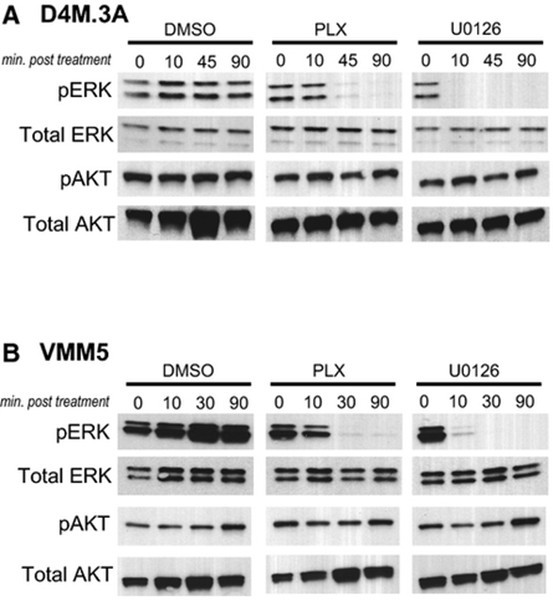
5-LOX in esophageal cancer Various studies suggest that abnormal levels of AA metabolites play an essential role in human esophageal adenocarcinogenesis (EAC). The key AA derivatives of 5-LOX signaling molecules namely include, 5-HETE, LTB4, and cysteinyl LTs, which are well-known to initiate inf
-
br Expression of autotaxin in cancer
2022-10-27
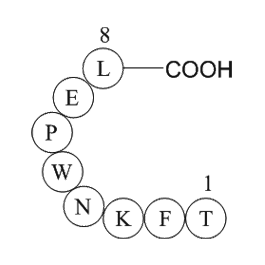
Expression of autotaxin in cancer Autotaxin (ATX) is a member of the family of NPPs (Nucleotides pyrophosphatases phosphodiesterases (NPP) family with a unique lysophospholipase D (lysoPLD) activity, allowing the synthesis of LPA from lysophospholipid precursors such as the lysophosphatidylcholin
-
PGR regulation of epithelium stroma crosstalk
2022-10-27
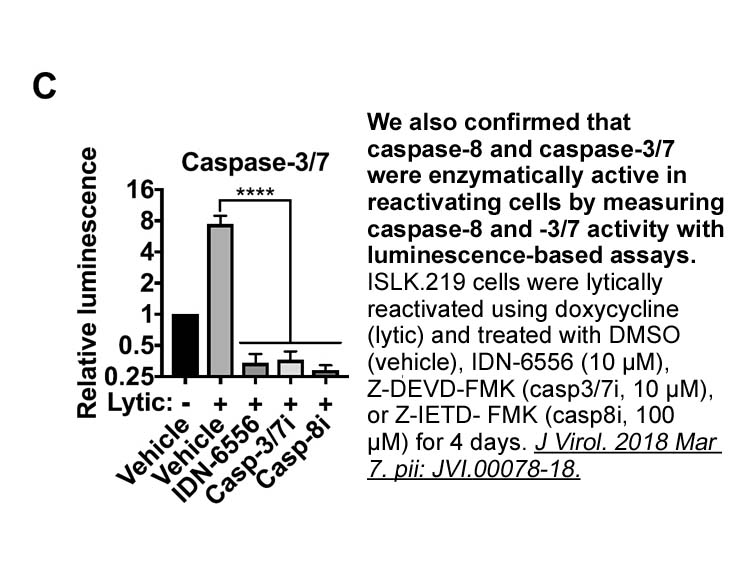
PGR regulation of epithelium–stroma crosstalk is proven by numerous studies that utilize genetically engineered mouse models. Before embryo implantation, epithelial PGR mediates the progesterone signal to transcriptionally increase the Ihh levels 13, 15. Epithelial IHH then activates the stromal hed
-
The zinc transporter proteins are members of the SLC superfa
2022-10-27
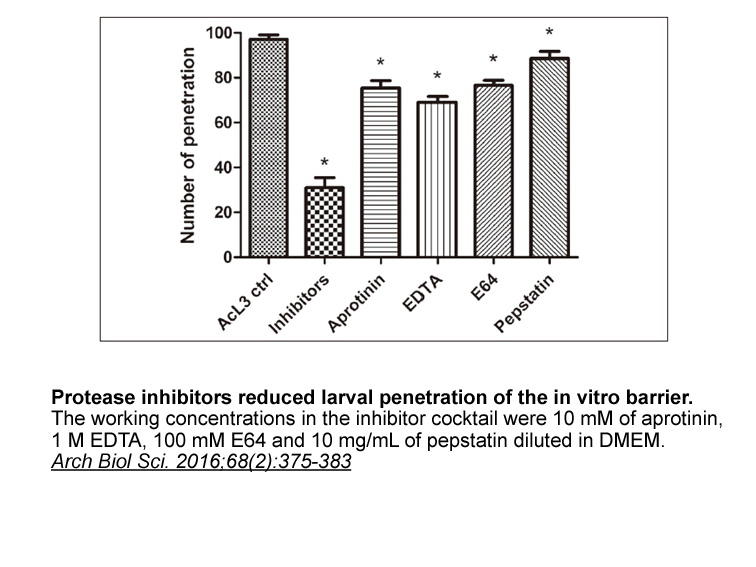
The zinc transporter proteins are members of the SLC superfamily of metal transporters, and comprise two structurally and functionally different groups, the zinc-importer (ZIP; Zrt-, Irt-like proteins) family (SLC39A), which regulate zinc transport into the cytoplasm from outside the cell and from i
-
br Introduction Breast cancer is the most
2022-10-26
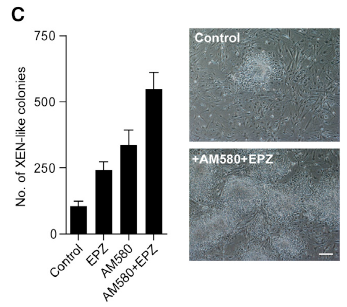
Introduction Breast cancer is the most frequently occurring cancer in women, and despite the development of new therapies there has been little decline in the mortality rate over the past decade (Siegel et al., 2015). This is partly due to the genetic diversity of breast cancers, such that there
-
The theoretical calculations of ADME parameters molecular we
2022-10-26
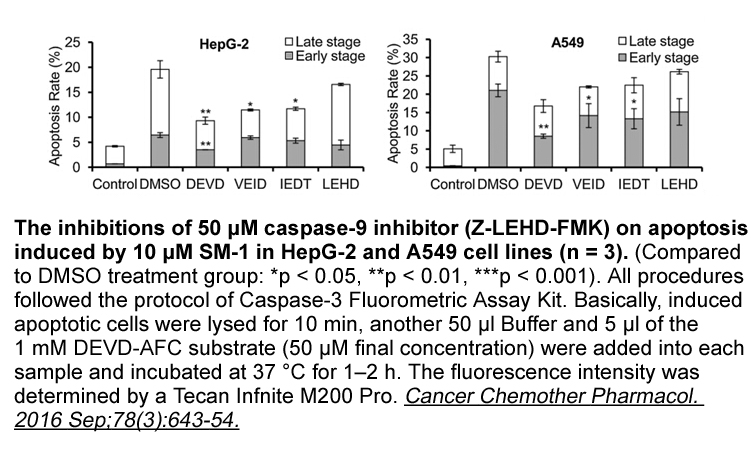
The theoretical calculations of ADME parameters (molecular weight (MW), log P, topological polar surface are (tPSA), number of hydrogen donors (nON) and acceptors (nOHNH), and volume) and DLS are presented in along with the violations of Lipinski’s rule. According to these data, all compounds (–) c
-
In these experiments recordings were performed
2022-10-26
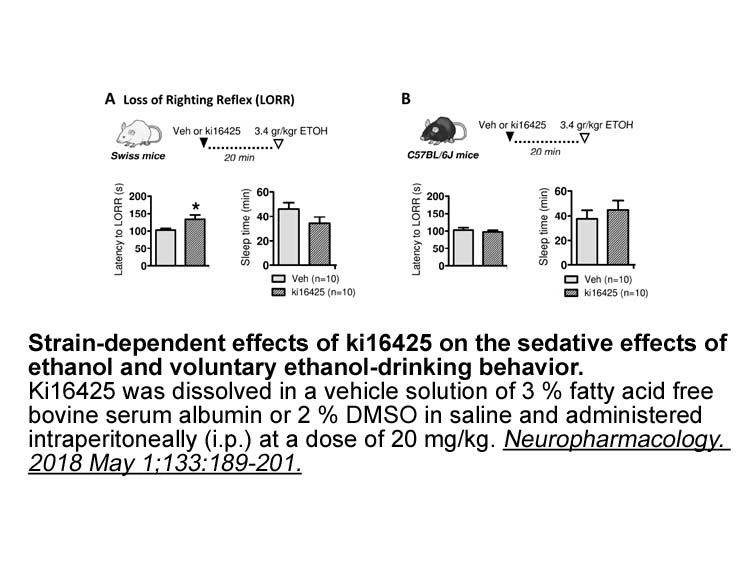
In these experiments, recordings were performed continuously in the homecage and during the first 5 days of training on a randomized forced alternation T-maze working memory task (Figures 1A, 1B, 3A, and 3B) (Kucewicz et al., 2011). Sleep and wake states were determined by simultaneous recording of
-
Similar to V the temporal neocortex of mammals including the
2022-10-26
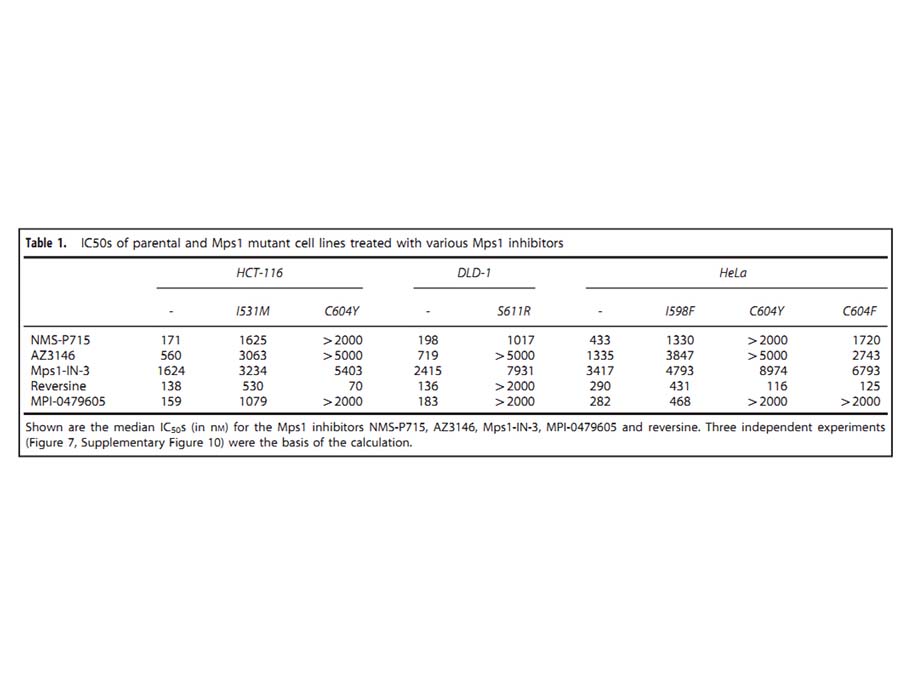
Similar to V1, the temporal neocortex of mammals, including the primary auditory cortex (A1), is densely innervated by 5-HT fibers originating mainly in the dorsal raphe nucleus (Campbell et al., 1987, Harding and Paxinos, 2004, Törk, 1990), and the major 3-bromo-5-phenyl Salicylic Acid of 5-HTRs a
-
Two parallel branches of the DNA damage dependent
2022-10-26
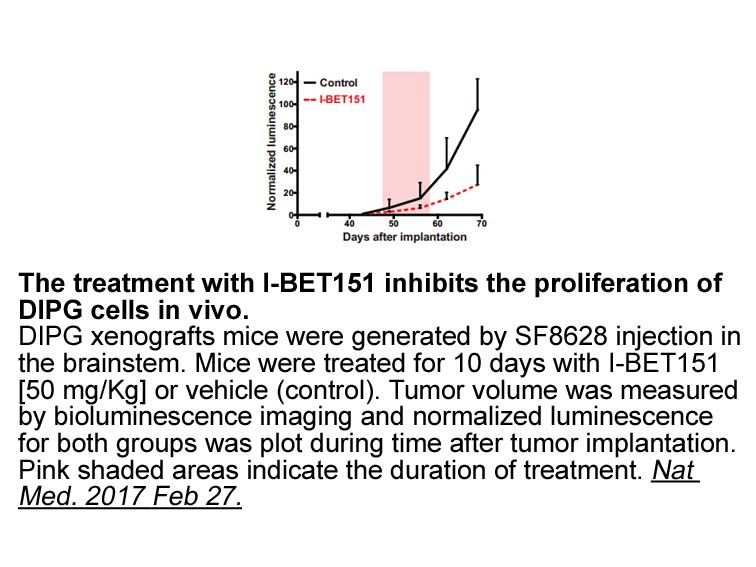
Two parallel branches of the DNA damage-dependent S-phase checkpoint are thought to co-operate by inhibiting distinct steps of DNA replication. One branch includes the phosphorylation of structural maintenance of chromosomes 1 (SMC1), a cohesin that is activated by ATM or ATR after IR treatment or r
-
br Experimental and simulation section br
2022-10-26
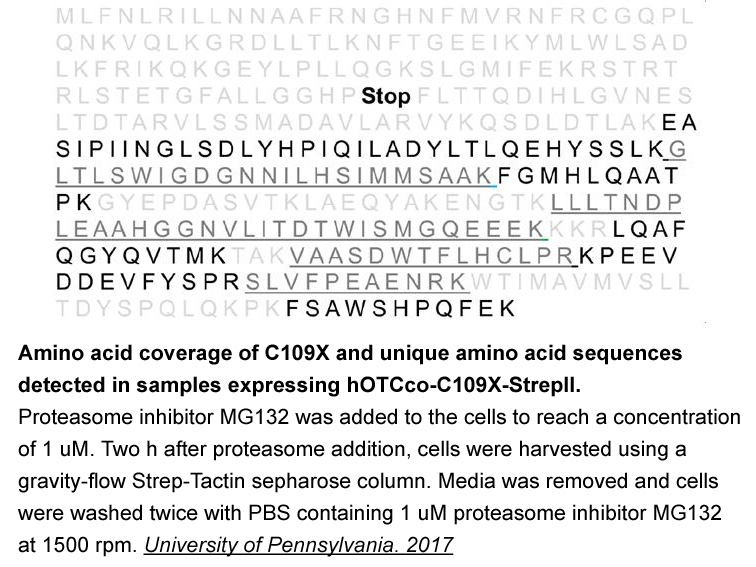
Experimental and simulation section Acknowledgments Financial support for this work was provided by the National Natural Science Foundation of China (No. 81101688). We would like to thank NC State University High Performance Computing Center for providing us computing resources, and Dr. Lihui
-
br Conflict of interest br
2022-10-26
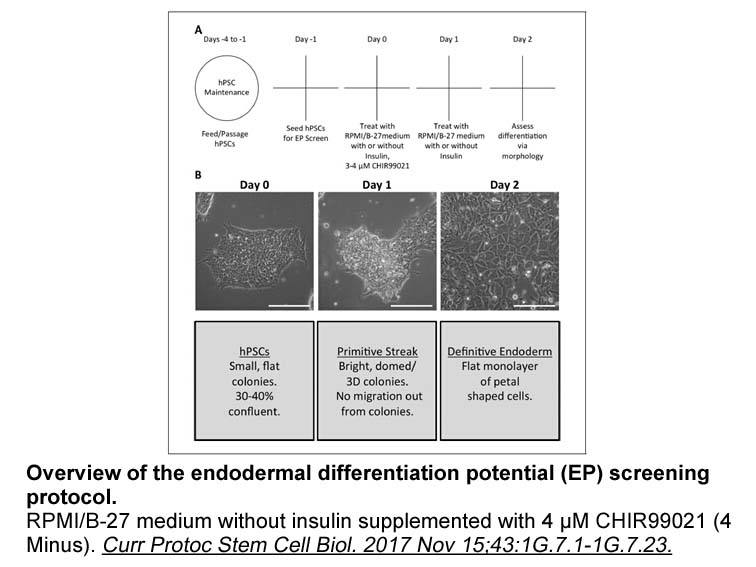
Conflict of interest Acknowledgment The authors gratefully acknowledge the financial support from the National Natural Sciences Foundation of China (81070220 and 81170278), and the Aid Program for Science and Technology Innovative Research Team in Higher Educational Institutions of Human Provi
-
The physiologic conditions and signaling
2022-10-26
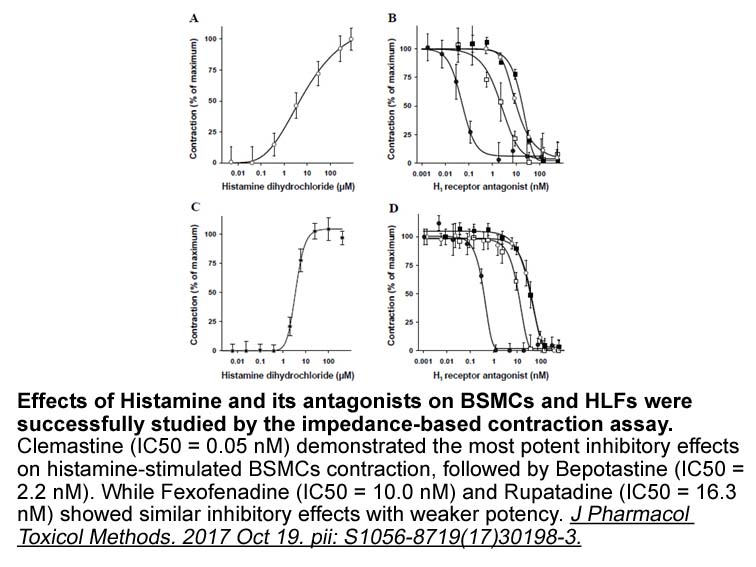
The physiologic conditions and signaling mechanisms that regulate apelin secretion and APLNR expression in malignant tissues appear to be multifactorial. Previous studies have shown that hyperplastic and neoplastic cholangiocytes secrete a variety of hormones, peptides, and growth factors that help
-
br Introduction Humans have consumed mushrooms
2022-10-26
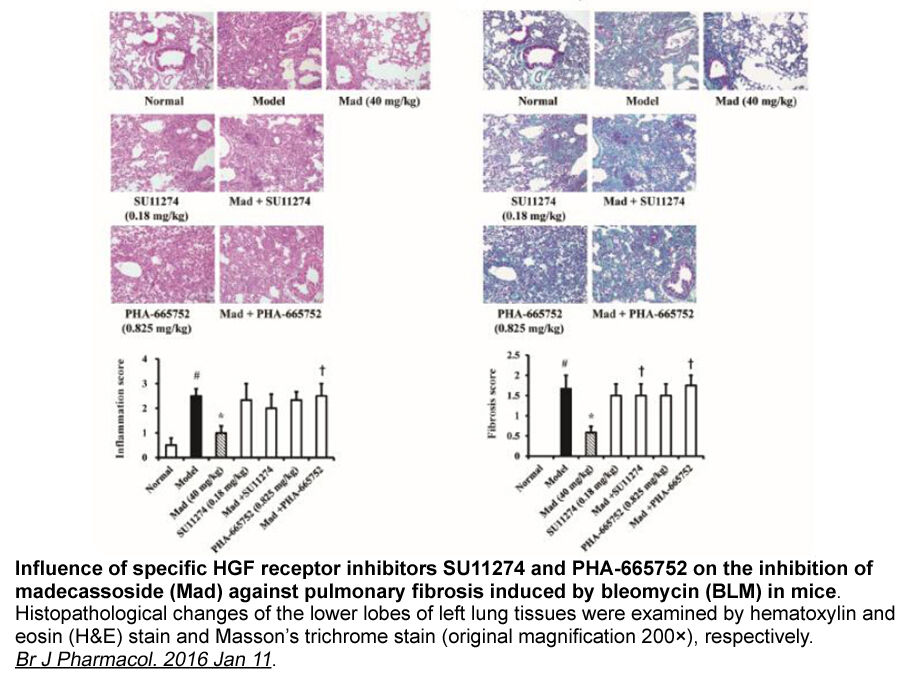
Introduction Humans have consumed mushrooms for centuries because of their high nutrient content and low lipid content, as well as their excellent flavor and texture [1]. Edible mushrooms possess notable medicinal properties and bioactivities, including antitumor, antiviral, antidiabetic, and ant
-
br Antifungal resistance what is in
2022-10-26
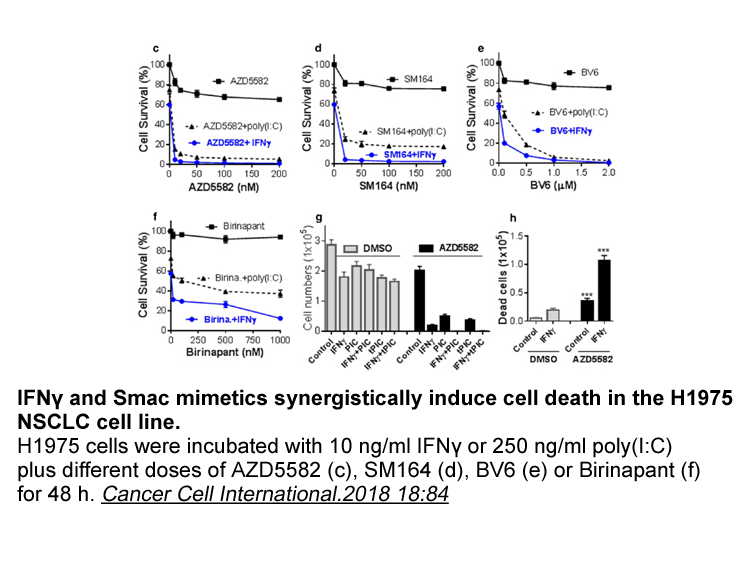
Antifungal resistance, what is in a name? Antifungal resistance is an emerging and hot topic in the field of medical mycology. Microbiological resistance is identified by determining minimal inhibitory concentrations (MICs) in vitro for a given antifungal and interpreting this value according to
-
Interestingly we noticed that LPS exposure was associated
2022-10-26
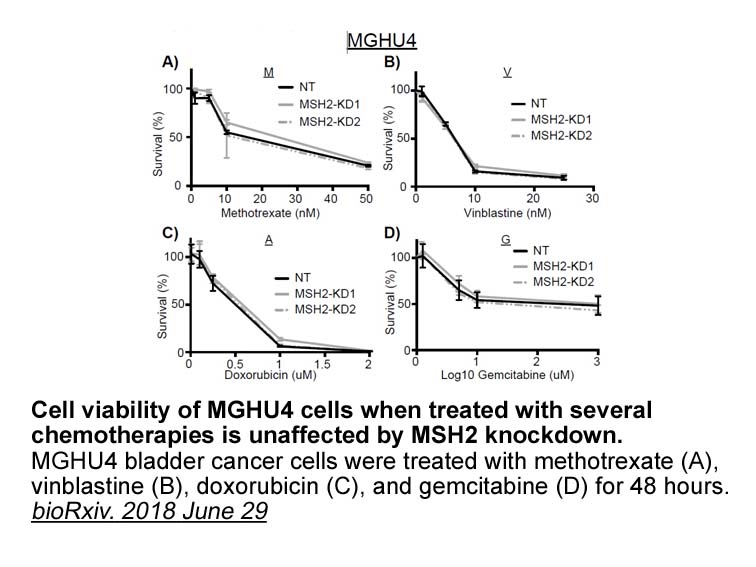
Interestingly, we noticed that LPS exposure was associated with decreased phosphorylation of AMPK and increased phosphorylation of p70S6K1, suggesting that AMPK inactivation and the subsequent mTOR activation might be involved in the development of LPS-induced inflammation. On the other side, treatm
7796 records 378/520 page Previous Next First page 上5页 376377378379380 下5页 Last page